

INNOVATION
Do kegs have legs for the Victorian wine industry?
No Offence Wines is determined to find out and has been exploring wine on tap: testing reusable kegs with the help of an urban winery and events space.
The challenge
Many venues still run on a bottled wine system while customer preferences are shifting, and with operating pressure rising, wine has to earn its place on the list and controbute positively to margins. Single-use glass bottles are heavy to transport, energy-intensive to make and add packaging waste and emissions to every glass served, a hidden cost that only becomes visible when businesses measure their scope 3 emissions. Waste also costs venues money through packaging, disposal and spoilage, including half-finished open bottles that add product waste and uneven quality behind the bar. Independent winemakers want more ways to reach venues and customers, but filling and cleaning kegs is a challenge for them.
The original idea
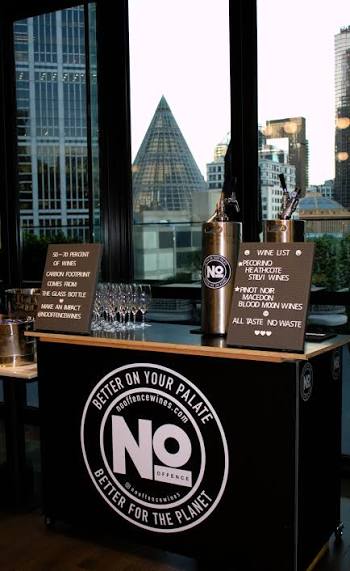
When Lucan first had the idea of No Offence Wines in 2022, the goal was never simply to sell wine differently. The idea came during COVID, when Lucan read a Jancis Robinson article on the carbon footprint of wine and was surprised to learn that about 70% of it comes from the glass bottle. With a background in sustainability, major events and wine, Lucan decided he could be part of the solution and began to explore wine in kegs and on tap.
What they did
- Networking and research
The first step was networking into the wine industry. With a background in sustainability, major events and wine, Lucan started calling around, talking to people across the industry and researching how wine in kegs could work. Like most new ideas, it meant building credibility from scratch in an established industry and finding the first people willing to try something different
- RMIT Activator and the pilot.
No Offence Wines then joined the RMIT Activator [Re]Launch circular economy program, a three-month program of learning, coaching and startup development, which helped move the idea into a pilot. The MVP pilot confirmed 4 venues and 4 winemakers, and the business has since moved into market with venue partners. Pop-up wine bars, including a Collingwood site, showed venues and drinkers the model in action.
- Collaborations
Alongside the pilot, No Offence Wines has built relationships across the industry. It is a Porto Protocol signatory, contributed to The Last Straw: A Zero Waste Bar Guide with the Sustainable Restaurant Association, Sustainable Wine Solutions and the Porto Protocol Foundation, spoke at Fine Food Australia 2026 with a wine-on-tap pop-up bar, and explained the model to winemakers and venues on The Wine Show Australia podcast.
One of the biggest things is the quality and consistency of what's in the glass, if you go to any venue you don't know how long the bottle has been opened for.
Lorraine Tighe, No Offence Wines
Outcomes and observations
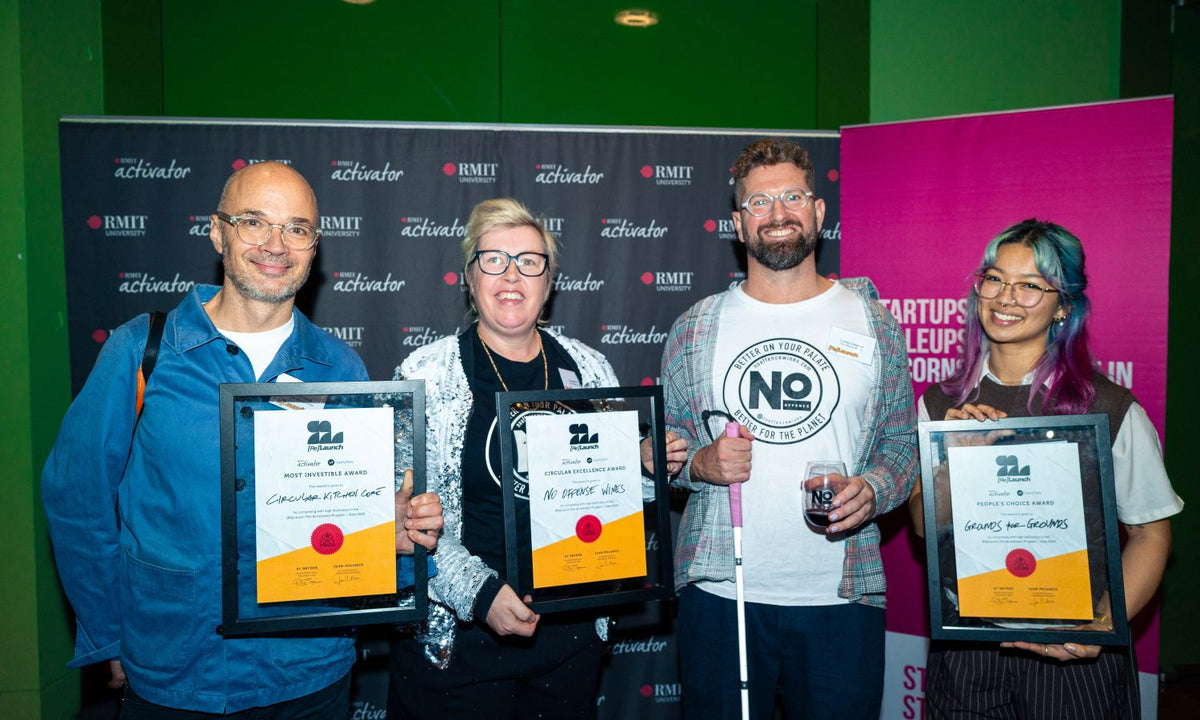
We won the Circular Excellence Award at the RMIT Activator [Re]Launch Pitch Night in June 2026 for our wine-on-tap model. Following an MVP pilot with 4 venues and 4 winemakers, we are now in market with venue partners. By collaborating, we have been able to refine our idea and have learned to lead with the venue's commercial case, which shows it is possible to earn more per pour while wasting less, with the sustainability story then reinforcing the efficiency outcomes. We tested small before building anything bigger, and our pop-up bars double as sales tools because they let prospective producers try the wine directly from the keg and allay any concerns about quality. Reuse beats recycling, and waste is a design problem rather than a bin problem, with the biggest wins coming before service in sourcing, packaging and supplier relationships. Staff buy-in and a simple waste audit are the best place for a venue to start.
The WET Rebate hurdle
One regulatory hurdle stands out. The WET producer rebate only applies to wine sold in containers of 5 litres or less, while cider and sherry can claim it in containers of up to 51 litres, a limit that reflects how often those products are sold in kegs. Wine kegs typically hold 20 to 30 litres. A small producer pouring its own wine by the glass, tasting or carafe in its own venue can still claim the rebate, but one selling kegs wholesale to other venues, where the biggest packaging and transport savings sit, cannot. Bringing wine into line with the cider and sherry limit would open up the keg market for small producers and looks like a straightforward productivity gain for producers and venues.
What's next
After the award, we were invited to pitch to the Capital Fund board for up to $20,000 in equity-free funding, and we want to keep growing our network of venue partners and winemakers. Beyond that, the biggest opportunity we see is a change to the WET rebate container limit, which would let small producers sell kegs wholesale and still claim the rebate, opening up the keg market for the winemakers and venues we work with.

Doing something worth sharing?
Wine Victoria is collecting practical case studies from growers and producers across the state. If you have changed the way you manage water, soil, energy or biodiversity, we would like to hear about it.
Submit your case study