
Case study · Climate Risk
Wetlands
Tahbilk winery is restoring and protecting the environment as part of a working vineyard.
At a glance
- Winery
- Tahbilk
- Wine Region
- Goulburn Valley (sub-region Nagambie Lakes)
- Core business
- French varietals. Grapegrowers and winemakers with own label. As well as eco-tourism and hospitality.
- Project led by
- Robert McMaster, Farm Manager
Summary
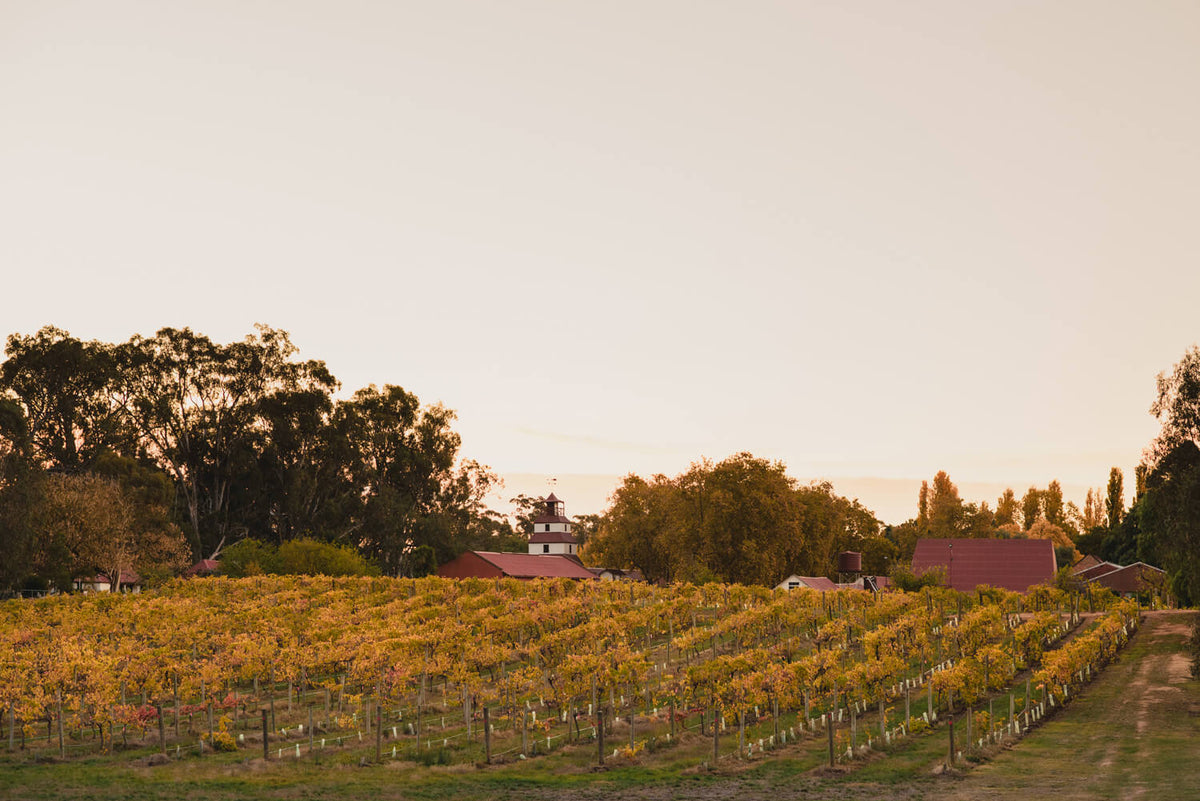
Tahbilk Winery sits in Nagambie Lakes, a sub-region of the Goulburn Valley in Central Victoria, north of Melbourne. The Goulburn Valley is distinctly warm, with a typical inland valley-floor climate and large diurnal temperature ranges. Here, the heat is moderated by the lakes, billabongs and creeks of the Waring (Goulburn River), including Lake Nagambie. Nagambie Lakes is one of only eight inland wine regions in the world where large bodies of water have such a marked cooling influence on climate and, in turn, on the grapes grown there. In 1993, Wine Australia recognised the region as distinct from the broader Goulburn Valley for this reason. It also recognised the region’s iron-rich soils (Duplex 2.2), which benefit grape quality and give the wines a defined regional character. The Tabilk-tabilk wetlands are now integral to this landscape and to the way the estate shapes the quality of its vineyards.
Original problem statement
How might we revitalise the landscape and return it to ecological health to protect our microclimate?
Wetlands
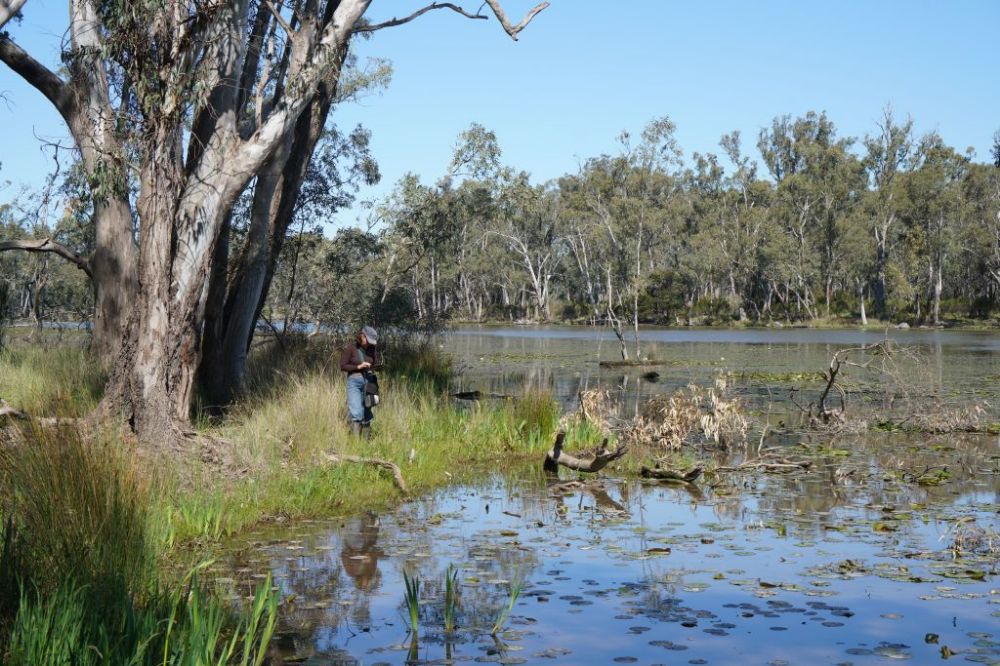
Tahbilk began actively regenerating the area in 1995, initially through additional understorey planting designed to provide habitat and attract native birds and animals. Over time the opportunity became broader: to protect and improve a significant wetland ecosystem within a working agricultural business, increase biodiversity, improve habitat connectivity and water quality, and create a place that could also support research, education and community connection.

What they did
- Chose an patch of land to regenerate
Tahbilk began regenerating the wetland area in 1995 by establishing additional understorey vegetation and habitat for native birds and animals.
- Established local partnerships
Expanded revegetation and habitat restoration across the estate, working with environmental organisations and using locally appropriate native species.
- Opened walking tracks
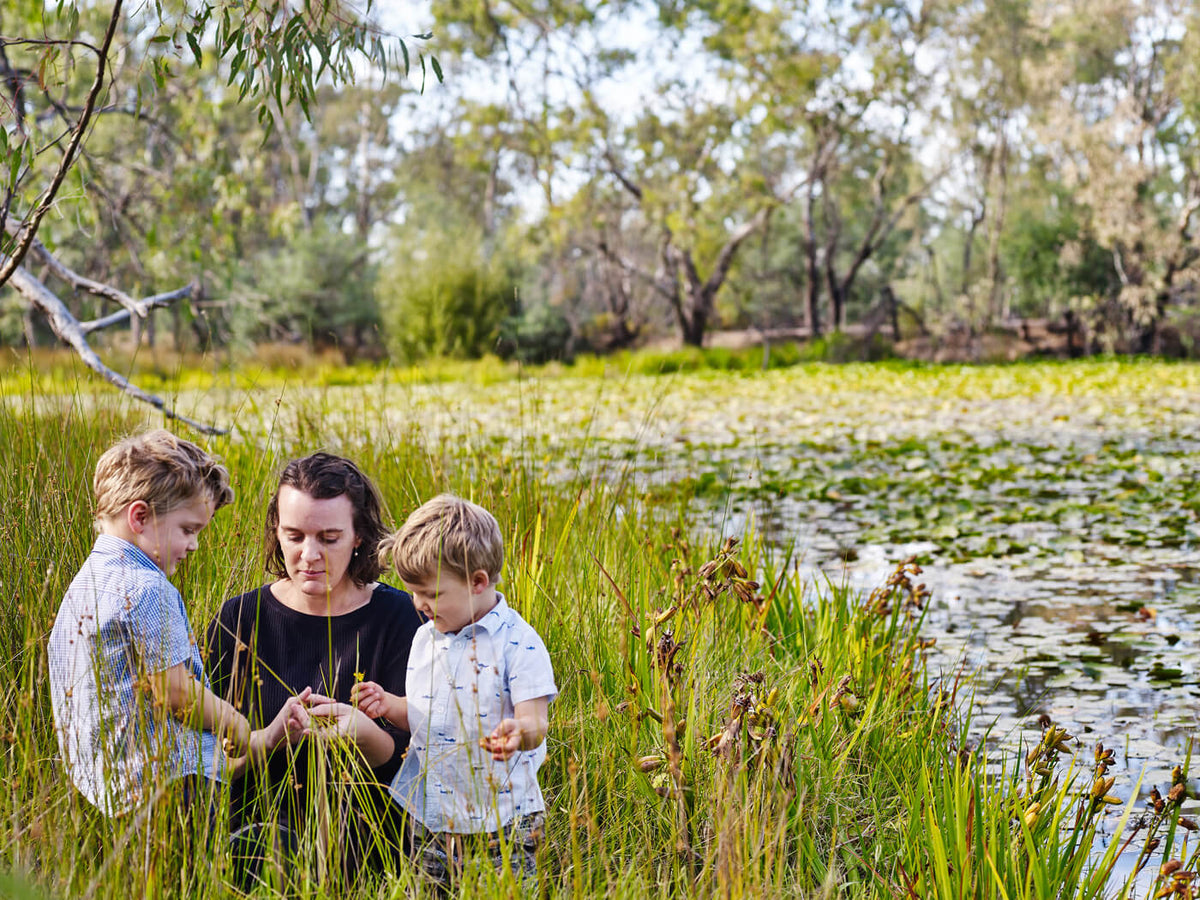
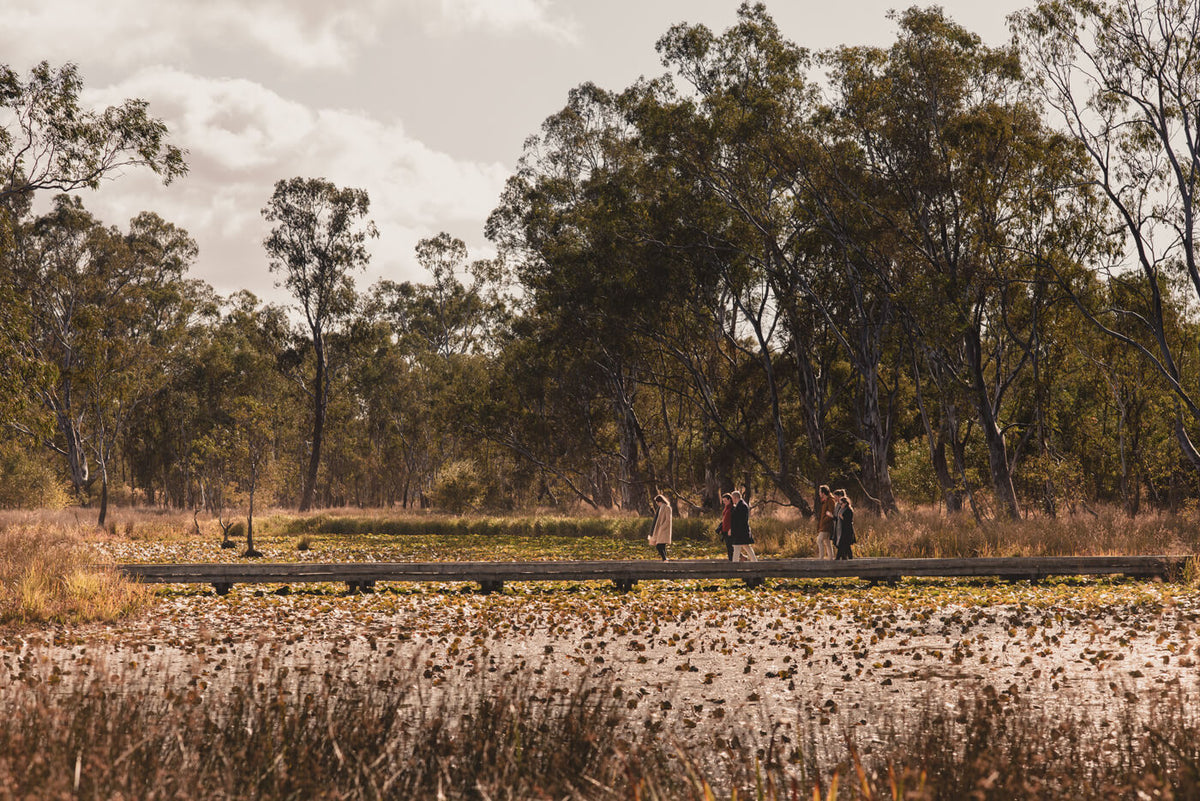
Opened the wetland area for education and visitor access in 2005, adding walking tracks, boardwalks, bird hides and access points while retaining its conservation purpose.
- Began monitoring ecological health
Undertook formal carbon and biodiversity assessment and later an ecological assessment to better understand the environmental values present and guide future management.
- Introduced ongoing research
Continued active species and habitat management, including monitoring endangered freshwater catfish with Goulburn Broken CMA and working with Goulburn Murray Water to manage non-native water lilies and protect native Water-shield Lily.
"The name Tahbilk means 'place of many waterholes' in the language of the Taungurung people and is linked to the abundance of landscape we benefit from.”
Hayley Purbrick, Fifth Generation Purbrick family owner of Tahbilk
Outcomes and observations
The project has turned the wetlands into an actively managed biodiversity refuge within a working vineyard and winery landscape. The wetland system provides habitat for threatened and significant species, including freshwater catfish, water-shield lily, Murray-Darling rainbowfish, Murray short-necked turtle and a range of wetland and woodland-dependent birds and animals.
Tahbilk’s ecological assessment describes the wetlands as a regional biological hotspot and records threatened species using the site. The work has also created a practical platform for ongoing research, monitoring, education and visitor engagement, while helping Tahbilk understand the role that native vegetation and healthy ecosystems can play beyond carbon sequestration alone.
The result
A degraded area became a functioning ecosystem
Key learning
The biggest lesson is that wetland restoration is not a one-off project. It requires ongoing monitoring, weed control, water management and maintenance, and the level of resourcing needed during the establishment phase was underestimated. Restoring wetlands within an operating vineyard also means balancing conservation with practical vineyard operations, particularly around access, machinery, irrigation and seasonal water levels.
Two practical lessons stand out. Locally appropriate indigenous species matter, and early intervention on weeds and invasive species is far more effective than correcting problems once they are established.
If starting again today, Tahbilk would build a detailed long-term maintenance and monitoring program into the restoration from the outset, with clearer measures of ecological success, and place greater emphasis on natural regeneration alongside planting.
The key lesson is that successful wetland restoration in a working vineyard requires conservation to be integrated into everyday land management, rather than treated as a separate project.
New opportunity
After more than 30 years of restoration, the wetlands have become an established part of Tahbilk’s working landscape. The next opportunity is to build on this foundation by extending revegetation by a further 90 hectares over the next 10 years, with a long-term monitoring and maintenance program and clear measures of ecological success built in from the start. By encouraging natural regeneration alongside planting, and continuing to partner with the Taungurung people, researchers and visitors, Tahbilk can show how biodiversity, cultural knowledge and productive agriculture can be managed as one landscape rather than separate activities.
Doing something worth sharing?
Wine Victoria is collecting practical case studies from growers and producers across the state. If you have changed the way you manage water, soil, energy or biodiversity, we would like to hear about it.
Submit your case study